Swirl & Shine

Best Detail Sprays (Quick Detailers)

The spray-and-wipe bottles that clear dust, pollen and fingerprints between washes. What each one is honestly rated to clean, which double as a clay lube or drying aid, and the exact point where reaching for one puts swirls in your paint.

By Stephen V.Last updated How we rank

A detail spray — sold as a “quick detailer” on about half the bottles you’ll see — is the lightest cleaning product in car care. You mist it on a panel, wipe it off with a clean microfiber towel, and the dust, pollen and fingerprints that landed on your car since the last wash go with it. Three minutes, no hose, no bucket.

It is also the product most likely to be used wrong, because the difference between the job it does brilliantly and the job that ruins your paint is invisible from ten feet away. A dusty car and a dirty car look much the same in a driveway. Wiping the first one is maintenance. Wiping the second one is dragging grit across clear coat with a cloth, which is the textbook mechanism behind the fine scratching detailers call swirls.

So this ranking is built on what each maker actually claims the bottle cleans, what it leaves behind, and which ones honestly double as a clay lubricant or a drying aid. We own none of these bottles and have run no lab tests — here is exactly what we do instead. Every claim below is either the manufacturer’s own, marked as such, or a limit we’re pointing out because they didn’t.

How this is funded:we earn a commission if you buy through our links, at no extra cost to you. It never changes which product we recommend, and we’ll always tell you who should skip one. Full disclosure.

Quick picks

Ranked on published specs, paint safety and buyer fit. Select a row to jump to the full write-up. We have not tested these products — here is exactly what we do instead.

#ProductBest forPrice
1
Griot's Garage Speed Shine Quick Detailer (35 oz)

Griot's Garage Speed Shine Quick Detailer (35 oz)

The one to buy if you only buy one. Griot's describes it as loosening and lifting dust, pollen, smudges and light grime while preserving a just-washed gloss — a deliberately narrow claim — and it is the only pick here the maker explicitly clears for paint protection film as well as trim and wheels.

Best overall
$31.69 · View on Amazon

Price as of September 4, 2026. #ad How we’re funded

2
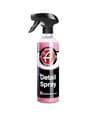
Adam's Polishes Detail Spray (16 oz)

Adam's Polishes Detail Spray (16 oz)

The multi-tasker. Adam's sells this as a quick detailer, a clay lubricant and a drying aid in one bottle, and that is coherent rather than marketing: the slickness that keeps clay gliding is the same property that stops a towel dragging dust across paint. If you clay, or you mist a panel before drying it, this is one bottle doing three jobs.

Best clay lube and drying aid
$12.74 · View on Amazon

$14.9915% off

Price as of September 4, 2026. #ad How we’re funded

3
Turtle Wax Hybrid Solutions Ceramic 3-in-1 Detailer (32 oz)

Turtle Wax Hybrid Solutions Ceramic 3-in-1 Detailer (32 oz)

The one that leaves something behind. Turtle Wax positions it as cleaning light dirt, shining, and adding a layer of hybrid ceramic wax with water-beading protection — so a wipe-down maintains the paint rather than only tidying it. It is the pick for a car wearing no coating.

Best for adding protection
$14.55 · View on Amazon

Price as of September 4, 2026. #ad How we’re funded

4
Chemical Guys Speed Wipe Quick Detailer (16 oz)

Chemical Guys Speed Wipe Quick Detailer (16 oz)

The purist's bottle. Chemical Guys make a point of the formula being wax-free and anti-static — it cleans and glosses, adds nothing, and is meant to leave the surface less inclined to attract dust afterwards. That makes it the safe choice before you coat, and the honest choice if you dislike products that quietly layer.

Best wax-free option
$10.97 · View on Amazon

Price as of September 4, 2026. #ad How we’re funded

5
Meguiar's Quik Detailer Mist & Wipe (32 oz)

Meguiar's Quik Detailer Mist & Wipe (32 oz)

The default bottle on the shelf of every parts store in the country, and there is real value in that: a detailer you can replace on a Sunday afternoon actually gets used. The listing sells it as a mist-and-wipe spray that clears light contaminants and boosts shine while keeping paint and wax looking new — a plain cleaner, plainly described.

Best on a local shelf
$13.99 · View on Amazon

$16.0013% off

Price as of September 4, 2026. #ad How we’re funded

The picks in full

#1Best overall

Griot's Garage Speed Shine Quick Detailer (35 oz)

The one to buy if you only buy one. Griot's describes it as loosening and lifting dust, pollen, smudges and light grime while preserving a just-washed gloss — a deliberately narrow claim — and it is the only pick here the maker explicitly clears for paint protection film as well as trim and wheels.

Strengths

  • Maker's stated remit is dust, pollen, smudges and light grime — honest about being a light-duty cleaner
  • Listed as safe on paint protection film, moldings, wheels and interior plastic trim
  • 35 oz is the biggest standard bottle here, and a gallon refill exists if you get through it

Trade-offs

  • Griot's does not publish whether it leaves any protection behind, so treat it as a cleaner only
  • 35 oz is more than an occasional detailer will use before the bottle is years old

Who should skip it. Skip it if you want a detailer that lays down a ceramic layer as it cleans — this bottle makes no protection claim, and Griot's sells a separate Ceramic Speed Shine for that job.

Size35 oz (22 oz and gallon also sold)
TypeQuick detailer spray
CleansDust, pollen, smudges, light grime
Also listed safe onPPF, moldings, wheels, interior trim
Adds protectionNot published

Specs read from the product listing, on August 28, 2026. “Not published” means the maker doesn’t state that figure.

#2Best clay lube and drying aid

Adam's Polishes Detail Spray (16 oz)

The multi-tasker. Adam's sells this as a quick detailer, a clay lubricant and a drying aid in one bottle, and that is coherent rather than marketing: the slickness that keeps clay gliding is the same property that stops a towel dragging dust across paint. If you clay, or you mist a panel before drying it, this is one bottle doing three jobs.

Strengths

  • Maker lists clay lubrication and drying-aid use alongside normal wipe-downs — three jobs, one bottle
  • Stated safe on paint, glass, chrome, wheels, grilles and trim
  • The cheapest way into the three-job category, and sold by the gallon once you settle on it

Trade-offs

  • The claimed "up to an additional 2 months" of wax longevity is Adam's own figure, not a tested result
  • 16 oz disappears fast if you also use it for claying, which is where the gallon starts to make sense

Who should skip it. Skip it if scented, dyed products bother you — this one is pink and strawberry-scented by design, and a plain wax-free detailer is the calmer choice.

Size16 oz (gallon and 5 gallon also sold)
TypeQuick detailer spray
Also sold forClay lubricant, drying aid
Protection claimUp to 2 extra months of wax life (maker)
Safe onPaint, glass, chrome, wheels, grilles, trim

Specs read from the product listing, on August 28, 2026. “Not published” means the maker doesn’t state that figure.

#3Best for adding protection

Turtle Wax Hybrid Solutions Ceramic 3-in-1 Detailer (32 oz)

The one that leaves something behind. Turtle Wax positions it as cleaning light dirt, shining, and adding a layer of hybrid ceramic wax with water-beading protection — so a wipe-down maintains the paint rather than only tidying it. It is the pick for a car wearing no coating.

Strengths

  • Adds a hybrid ceramic wax layer with water-beading protection as you wipe, per the maker
  • 32 oz at a supermarket price — the cheapest way to top up protection between waxes
  • Turtle Wax is explicit about the limit: light dirt and water spots only

Trade-offs

  • No durability figure is published for the ceramic layer, so treat it as a topper, not a coating
  • Dry application only — Turtle Wax does not list it as a wet drying aid the way Adam's does

Who should skip it. Skip it if your car already wears a real ceramic coating or a fresh sealant; you would be adding a thin wax layer over protection that is already doing the job.

Size32 oz
TypeCeramic detailer spray
Adds protectionHybrid ceramic wax, water beading (maker)
DurabilityNot published
ApplicationDry — onto a towel or a 2 ft by 2 ft panel

Specs read from the product listing, on August 28, 2026. “Not published” means the maker doesn’t state that figure.

#4Best wax-free option

Chemical Guys Speed Wipe Quick Detailer (16 oz)

The purist's bottle. Chemical Guys make a point of the formula being wax-free and anti-static — it cleans and glosses, adds nothing, and is meant to leave the surface less inclined to attract dust afterwards. That makes it the safe choice before you coat, and the honest choice if you dislike products that quietly layer.

Strengths

  • Wax-free by design, so it will not interfere with a coating you are about to apply
  • Maker claims an anti-static formula that repels dust to keep the car cleaner for longer
  • The cheapest bottle in this roundup, and it also comes by the gallon

Trade-offs

  • Adds no protection at all — that is the point, but it is a real trade-off against the ceramic picks
  • In direct sun the maker says to mist the towel rather than the panel, which is a fussier routine

Who should skip it. Skip it if you were hoping one bottle would clean and protect. This one deliberately does not protect, and a ceramic detailer is the product you actually want.

Size16 oz (gallon also sold)
TypeQuick detailer spray
FormulaWax-free (maker)
Anti-staticYes (maker's claim)
Safe onPaint, glass, chrome, trim

Specs read from the product listing, on August 28, 2026. “Not published” means the maker doesn’t state that figure.

#5Best on a local shelf

Meguiar's Quik Detailer Mist & Wipe (32 oz)

The default bottle on the shelf of every parts store in the country, and there is real value in that: a detailer you can replace on a Sunday afternoon actually gets used. The listing sells it as a mist-and-wipe spray that clears light contaminants and boosts shine while keeping paint and wax looking new — a plain cleaner, plainly described.

Strengths

  • Stocked in most auto parts and big-box stores, so replacing it never needs an order
  • 32 oz for a low price — a lot of wipe-downs per bottle
  • The listing keeps the claim modest: light contaminants and gloss, over paint and wax

Trade-offs

  • No protection claim on the listing — it maintains a wax rather than adding to one
  • Meguiar's sells Gold Class and Ultimate detailers under near-identical names, so it is easy to grab the wrong bottle

Who should skip it. Skip it if you want the extra jobs — this one is not sold as a clay lubricant or a drying aid, and the Adam's bottle is exactly that if you are shopping for one.

Size32 oz
TypeQuick detailer spray (mist and wipe)
CleansLight contaminants (per listing)
Over waxYes — listing states it keeps paint and wax looking new
Adds protectionNot published

Specs read from the product listing, on August 28, 2026. “Not published” means the maker doesn’t state that figure.

How we ranked these

Detail sprays are hard to shop for because the labels all promise the same three words: clean, gloss, protect. The bottles differ in ways the front label rarely shows, so these are the criteria we used, in the order they matter.

1. What the maker says it cleans

This is the first filter, and it’s revealing. Griot’s writes that Speed Shine loosens and lifts “dust, pollen, smudges, and light grime”. Turtle Wax states outright that its 3-in-1 is “best used to clean light dirt and residues” and points you at a heavier product otherwise. Those narrow claims are a good sign, not a weakness: a maker who tells you the ceiling is telling you the truth about how the product works. Be more careful with a bottle that implies it will clean anything.

2. What it leaves behind — nothing, or something

This is the real split in the category. Chemical Guys Speed Wipe is deliberately wax-free: it cleans and glosses and adds nothing, which is exactly what you want on paint you’re about to coat. The Turtle Wax bottle is the opposite — it lays down a hybrid ceramic wax layer with water-beading protection as you wipe. Adam’s sits in the middle, claiming its spray extends an existing wax or sealant rather than adding its own film. Griot’s and Meguiar’s make no protection claim at all, so we treat them as pure cleaners. None of these is wrong; they’re just answers to different questions.

3. Whether it does the other two jobs

A good detail spray can be three products. It can lubricate a clay bar, where the whole safety of the process depends on the surface staying slick. And it can be a drying aid — misted on a wet panel before you towel it, restoring lubrication at the exact moment a rinsed car has none. Adam’s is the only pick here that the maker sells for all three uses, which is why it earns its award even though it isn’t the biggest bottle.

4. Surface remit

Read this on the label before you spray a wheel or a wrapped panel. Griot’s lists moldings, wheels and interior plastic trim, and specifically clears the product for paint protection film. Adam’s lists paint, glass, chrome, wheels, grilles and trim. Chemical Guys lists paint, glass, chrome and trim. The differences are small, but if your car wears PPF or a vinyl wrap, buy the bottle whose maker has explicitly said yes.

5. Size and what you’ll actually get through

Every pick here is a budget-bracket bottle — the live prices in the table above are all a fraction of one professional hand wash — so cost per bottle isn’t the deciding factor. Volume is. If you only wipe down a hood and a couple of door tops between washes, a small bottle lasts a season. If you also clay twice a year and use the same spray as a drying aid, you will empty a 16 oz bottle fast, and the gallon refills every one of these brands sells become the sensible purchase.

Detail spray, waterless wash or ceramic spray?

These three sit next to each other on the shelf, look nearly identical, and do genuinely different jobs. Getting them straight is most of what buying well means here.

  • A detail spray is for a car that is essentially clean. Dust, pollen, fingerprints around the door handles, a few water marks. Little product, one light pass, done.
  • A waterless wash is a wash substitute for a car with light dust and road film on it. It is wetter, more heavily lubricated, and you use far more of it and far more towels — because it is being asked to carry more dirt off the paint safely. A rinseless wash goes a step further again, using one bucket of water to clean a normally dirty car with no hose.
  • A ceramic spray coating is not a cleaner at all. It is protection you apply to an already-clean car and expect to last months. A ceramic detailer, like the Turtle Wax pick here, is the light hybrid: a cleaner with a thin protective layer along for the ride, and no published durability figure to match a real coating.

The order that works is simple. Wash properly when the car needs it, protect it with a wax, sealant or coating, then use a detail spray to keep the result looking right between washes. The spray is maintenance for a finish that is already in good shape — never the rescue for one that isn’t.

The rule that keeps a detail spray safe

Only ever use one on a surface where the contamination is loose and light. That is the whole rule, and there is a five-second test for it.

Wipe a finger down a panel. If your fingertip comes away with a light film of dust, a detail spray is the right tool. If it comes away with a visible line of grime, the car needs a proper wash, and no amount of spray lubrication makes wiping it safe. Grit trapped between a towel and clear coat is the mechanism that puts fine scratches into paint, and it does not care how slick the liquid around it is.

The towel matters as much as the spray. Use a clean, plush microfiber towel, fold it into quarters, and turn to a fresh face constantly — a folded towel gives you eight clean surfaces. The moment a face looks dirty, that face has become sandpaper. And a towel that has touched the ground is retired to wheels and door shuts permanently.

How to use one properly

  1. Work on a cool panel out of direct sun. Heat flashes the product dry before you can wipe it, which is what streaks. Chemical Guys are explicit about this: in hot sun, mist the towel instead of the paint.
  2. Mist lightly, one panel at a time. Two or three pulls of the trigger over an area you can reach comfortably. Flooding the panel wastes product and leaves more to buff off.
  3. Wipe in one direction, not in circles. Straight overlapping passes with almost no pressure. Let the liquid do the lifting; your job is to carry it away, not to scrub with it.
  4. Flip to a dry face and buff.The second pass with a clean, dry side of the towel is what removes the last of the residue and leaves the gloss even. Griot’s directions are exactly this: mist it on, wipe dry, buff to a shine.
  5. Change towels far sooner than feels necessary. A full car is several towels, not one. This is the single step people skip, and it is the step that decides whether the wipe-down was safe.

The jobs a detail spray is genuinely good at

Beyond the obvious dust-off, there are four uses that make a bottle earn its shelf space.

  • Drying aid.Mist a wet panel just before you dry it. It restores lubrication at the riskiest moment of the wash — see how to dry a car without scratching it for where this fits in the routine.
  • Clay lubricant. Claying without enough lubricant is the main cause of marring. Detailers work a 2 ft by 2 ft section at a time and keep it visibly wet throughout; a detail spray with a clay-lube claim is built for exactly that.
  • Bird droppings and bug splatter, caught early.Soak the spot, wait, then lift it — never wipe it dry. Droppings are acidic and etch clear coat if they sit, so speed matters more than method here.
  • Fresh water spots.A mineral deposit that hasn’t bonded yet often comes off with a detail spray and a clean towel. If it survives that, it is bonded or etched — our water spot guide covers what to escalate to.

When not to reach for it

Do not use a detail spray on a genuinely dirty car, on caked winter road salt, on dried mud, or on a panel you cannot see clearly. Do not use one instead of a wash for weeks on end and expect the paint to be fine — dust that gets wiped rather than rinsed still has to go somewhere, and repeated dry-ish contact accumulates.

And do not expect protection from a bottle that never claimed any. Two of our five picks are pure cleaners by design. If you want water to bead after a wipe-down, buy the ceramic detailer or, better, put down real protection first and use the spray to maintain it — that is what our wax roundup and ceramic spray guide are for.

Frequently asked questions

What is a detail spray actually for?

It is a light cleaner for a car that is essentially already clean. Its job is dust, pollen, fingerprints, fresh water marks and light smudges between proper washes, plus a gloss boost as it goes. Most makers describe the remit narrowly on purpose — Griot's says dust, pollen, smudges and light grime; Turtle Wax says light dirt and residues — because that is where the product is safe.

Is a detail spray the same thing as a quick detailer?

Yes. The two names describe the same product and brands use them interchangeably — Meguiar's calls its bottle a Quik Detailer, Adam's calls the same kind of product Detail Spray. What matters is not the name on the label but whether the formula is wax-free or leaves protection behind, and what the maker says it is rated to clean.

Will a detail spray scratch my paint?

Not on its own, but the way it is used can. Scratching happens when a towel drags grit across clear coat, so a detail spray is only safe on light, loose contamination. Do the fingertip test first: a film of dust is fine, a visible line of grime means the car needs washing. Then use clean plush microfiber, fold it into quarters, turn to a fresh face constantly, and never wipe in circles.

Can I use a detail spray on a ceramic-coated car?

Yes, and it is one of the better ways to maintain a coating between washes, because a light wipe-down puts far less stress on the finish than a contact wash. Prefer a wax-free detailer or one sold as a ceramic-safe topper. If you want the spray to reinforce the coating rather than just clean it, an SiO2 detailer is the right choice — see our guide to maintaining a ceramic coating.

Can a detail spray replace washing my car?

No. It removes what has settled on the surface since the last wash, not embedded road film, salt or dried dirt, and nothing wiped on dry paint carries contamination away as safely as rinsing water does. If you have no hose access, a waterless wash handles noticeably more dirt than a detail spray, and a rinseless wash more again — but a full wash is still the baseline none of them replace.

How often should I use one?

As often as the car gets dusty, which for a daily driver outdoors might be weekly and for a garaged car might be monthly. There is no wear penalty for using it frequently on genuinely light dust — the risk is entirely in using it on dirt that should have been washed off instead. Frequent light wipe-downs on a protected car is exactly the routine these products exist for.

Sources

Keep reading