What actually decides foam thickness
Before spending anything, it is worth knowing which variables matter, because most disappointing foam has nothing to do with the cannon.
1. Your pressure washer’s flow rate
This is the big one. A cannon aerates water through a mesh, so the volume of water available — measured in GPM — sets the ceiling on how much foam you can produce. Cannons generally start foaming usefully from about 1.2 GPMand get much better toward 1.7–2 GPM. If your washer is at the low end, no cannon at any price will give you the thick blanket you have seen in videos. Our washers-for-foam guide covers this in detail.
2. Soap and dilution
The second most common cause of thin foam is simply not enough concentrate. A dedicated snow foam is formulated for stable, clinging suds in a way an ordinary shampoo is not, and the reservoir wants a proper slug of it — most people badly under-dose. Change the soap and the ratio before you blame the hardware.
3. The orifice and the mesh
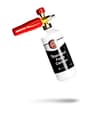
Only now does the cannon itself enter the picture. The orifice is the small hole that water is forced through to create the pressure drop that draws soap up; the mesh is what aerates the mixture. A brass orifice holds its dimensions as it wears where a plastic one opens up over time, and a denser mesh produces finer, more stable foam. This is what your money buys as you move up the range — consistency and longevity, rather than a fundamentally different result on day one.
Where budget cannons genuinely fall short
Three things, and it is worth being honest about each.
Longevity.Plastic threads strip, seals perish and orifices wear. A cheap cannon may last a season or two of regular use rather than a decade. At this price that is a reasonable trade — but if you wash weekly, you will replace it.
Consistency. Quality control at the bottom of the market is variable. Two identical-looking cannons can foam noticeably differently. It is the main reason enthusiasts drift toward known brands over time.
Adjustment feel. Premium cannons have precise, positive adjusters for the fan and soap ratio. Cheap ones are vaguer, so dialing in takes more fiddling. Once set, it matters little.
The connector check before you buy
The most common foam-cannon disappointment is a fitment problem, not a performance one. Most cannons use a 1/4-inch quick-connect plug, which fits the majority of consumer electric washers. Several brands — Kärcher especially, plus some Sun Joe and Greenworks models — use a proprietary twist-lock lance fitting and need a cheap brass adapter. Look at the end of your wand: a square metal stub with a sliding collar is a quick-connect and any standard cannon clicks straight on; a round plastic collar that twists to lock needs the adapter.
When to spend more instead
Move up the range if you wash frequently and want a tool that lasts, if you want repeatable results without re-dialing every time, or if you simply enjoy good hardware. The enthusiast benchmark is the MTM Hydro PF22, and the PF22 versus TORQ comparison explains exactly where the extra money goes. If you are not sure yet, start here — a cheap cannon tells you within one wash whether foaming is something you will keep doing, and that is a far better way to find out than guessing.
One last thing: no cannon replaces good technique. Foam lifts grit, but the wash itself still needs the two-bucket method and a plush mitt. The cannon reduces how much grit reaches your mitt; the buckets handle what is left.