How the cap was chosen, and what it removes
Twenty-five dollars is not an arbitrary line on this site. It is the line above which every machine lives. Under the cap there is no pressure washer, no cordless washer, no polisher, no car dryer and no boxed kit — the cheapest machine in our registry is a long way above it, and the two serious boxed kits are many times it. What is left is the consumable layer: the chemicals and the cloth.
That makes this a genuinely different page from our boxed kit ranking rather than a cheaper version of it. A kit is a bundle chosen by a brand; this is six items chosen by job, with no duplication, which is usually both cheaper and better matched. It is also a different page from our supplies checklist, which is the complete build-your-own list in buying order with no price ceiling on it.
Why these six jobs and not six bottles
Protection, because it changes every future wash
Hybrid Ceramic goes first because it is the only item here whose benefit persists after you put it away. Spray on a wet car, rinse, done. On a protected panel, dirt sits on a sacrificial layer rather than keying into clear coat, which is what makes the next wash shorter and safer. Our ceramic sprays under $25 page ranks it against the two other cheap SiO2 sprays if you want to compare before buying.
Drying, because that is where the scratches come from
The Water Magnet is a dedicated waffle-weave drying towel. It publishes neither a size nor a GSM figure, which we record as unknown rather than estimating, so it is here on being the right tool at the lowest price rather than on stated specs. What it replaces is the actual cause of most swirl marks on most cars: drying with something that was not designed to dry paint. The towel versus chamois comparison is the argument in full.
The wash medium, in a two-pack
The AIDEA chenille two-pack is the cheapest safe two-mitt setup we carry. Two mitts rather than one is the point: one for the upper two-thirds of the car, one for the filthy lower third and the bumpers, so grit from the rocker panels never reaches the hood. It publishes no GSM figure. At this price, it does not need to.
The grit guard, which is the cheapest safety device in car care
The original Grit Guard insert is a molded plastic grid about 10.5 inches across that drops into a standard five-gallon bucket; the bucket is not included. It does one thing: it keeps the grit you just rinsed off the car at the bottom of the bucket instead of floating back into your mitt. Combine it with the two-bucket method and you have removed most of the mechanism by which washing damages paint, for the price of a sandwich.
A wheel cleaner you can use on any wheel
The Chemical Guys Signature Series cleaner is listed as safe for all wheel finishes, which is the specification that matters when you do not know what your rims are coated with. It is explicitly not a decontaminant: heavily bonded brake dust needs iron chemistry, which is a different bottle and a different page. For weekly brake dust on an unknown finish, this is the low-risk default. If your wheels are past that, start at the wheel cleaning kit under $25.
A detail spray, for the ninety per cent of days you are not washing
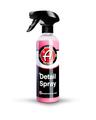
Adam’s Detail Spray is here because it covers three jobs the maker states: quick detailing, clay lubricant and drying aid, with a claim of up to two extra months of wax life. That versatility is what earns a slot on a six-item list. It is not a wash. Wiping a genuinely dirty panel with a detail spray grinds grit into the clear coat, which is the one mistake this product makes easy.
What is missing from a list capped at $25, and whether it matters
A pressure washer and a foam cannon are the two real absences, and together they are the safest way to clean a filthy car because they remove most of the dirt before anything touches the paint. Nothing under this cap replaces that. If the car is washed in a driveway with a tap, the washer is the next purchase after these six, and our washers under $200 page is where that decision starts.
A clay bar and an iron remover are also absent, and both are available under the cap — they are left out because they are corrective rather than routine. Buy them when the paint feels rough or shows rust-coloured specks, not as part of a starter set. The same goes for a compound: the cheapest compound we carry sits under this cap, and most cars do not need it.
If you are shopping this list in late November, the Black Friday deals page tracks when these categories historically discount. We do not predict prices — every figure on this site is read live from the price layer on the date shown.