The list, in buying order
Ordered by effect on your paint per pound spent, not by what a shop would like to sell you. If you buy the first four and nothing else, you are washing better than most people with a garage full of product.
1. Two buckets
Not one. Two, and the second one is not optional — it is the difference between rinsing dirt off your mitt somewhere else and rubbing it back into your paint. Any five-gallon buckets work; there is no need for branded ones, although marking them WASH and RINSE saves a tired mistake later. Cheapest item on the list, biggest single change to your results.
2. Grit guards
The plastic grid that sits in the bottom of each bucket. Agitating the mitt against it knocks debris loose, and the grid keeps that debris trapped below rather than letting it swirl back up. Two of them — one per bucket. Together with the buckets this is the cheapest scratch prevention that exists. Our grit guard roundup covers the designs.
3. A proper wash mitt
Deep-pile chenille or plush microfiber. This is the single object that touches your paint most, under pressure, while carrying grit — so it is the place to spend rather than save. If you are still using a flat sponge, read mitt vs sponge, because the mechanism matters more than the brand. Buy two if you can: one for the upper panels, one for the filthy lower third.
4. A pH-neutral shampoo
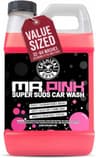
One bottle of a decent concentrate. pH-neutral matters if you have any wax or coating on the car, because an aggressive soap strips it. Concentrates dilute heavily, so the cost per wash is low even when the bottle looks expensive. The soap rankings go into pH and what the additives do.
5. A large plush drying towel
Drying is where the most careful wash gets undone, because it is the one step people rush and the one place a stiff towel does real harm. You want a big, thick, thirsty microfiber — large enough to dry a panel in a pass or two rather than repeatedly scrubbing a small cloth over the same area. The drying towel roundup explains where GSM matters and where it does not, and the drying guide covers the technique.
6. General-purpose microfiber towels
A multipack for everything else — glass, door shuts, buffing off wax, wheels. Buy them in different colors and assign each color a job. That is not fussiness; it is what stops the cloth that cleaned your wheels from ever reaching a painted panel. See the microfiber roundup.
7. Wheel cleaner and a soft wheel brush
Wheels carry the worst contamination on the car, and most factory alloys are painted and clear-coated — they scratch like a body panel does. A dedicated wheel cleaner and a genuinely soft wheel brush mean the chemistry does the work instead of your arm. Keep both away from paint forever.
8. Protection: a wax or a spray coating
Washing removes dirt; protection is what keeps the paint from being bare against UV, rain and road salt. Either a wax if you enjoy the process and want a traditional finish, or a spray ceramic if you want protection as part of drying the car. The comparison lays out the trade properly.
9. A foam gun or foam cannon
Last on the list, which surprises people, because it is the most exciting thing to buy. The pre-soak is genuinely valuable — it lifts grit before contact — but it is an improvement to a wash whose fundamentals are already right. If you own a pressure washer, buy a cannon. If you do not, a garden-hose foam gun gets you most of the way for much less.
What you can skip for now
Things that appear in kits, or in enthusiastic advice, that a beginner does not need on day one. If you want to see where each of these would fit once you do own it, what order to detail a car lays out the full ten-step sequence and marks the three steps that are conditional rather than routine.
- Clay bars. Useful, but a decontamination step for paint that feels rough, not a routine one. Do the plastic-bag test described in the clay guideand buy one if you fail it — the clay bar and mitt picks start at roughly the price of a bottle of good shampoo.
- Polish or compound. These remove clear coat to level out defects. They are correction tools, and you want to be confident in your wash routine before you start removing paint. See removing swirl marks.
- Tire dressing. Purely cosmetic. Nice, and it changes nothing about the condition of your car.
- A machine polisher. A genuine purchase for a genuine job, and not this one. Later.
- Six different soaps. One good shampoo, plus a snow foam if you run a cannon. That is the whole soap requirement for most people.
How to spend a fixed budget
If you have a set amount and want to know where it goes, the split that produces the best paint is heavily weighted toward the first half of the list. Roughly: buckets and guards take a small fixed slice; the mitt and drying towel between them deserve the largest share of what is left, because they are your two contact points; shampoo is a small recurring cost; and whatever remains goes to wheels and protection. The foam device waits for the next purchase.
That allocation looks unglamorous next to a boxed kit with sixteen items in it. It also produces a car with fewer swirl marks in three years, which is the only measure that matters here. If you would rather have the box, buy a good one — and then upgrade the mitt and the drying towel separately, because those are the two things the box got wrong.
If you are earlier in the process than this list assumes — still deciding what detailing even involves, or whether to pay someone — what is car detailing is the primer, and the machine side of the question is in best pressure washers for beginners.
If the reason you are building this list is that you have started washing other people’s cars, the machine itself has a different spec sheet — best pressure washers for mobile detailing covers the flow, fittings and water-source constraints that only show up away from home.