Swirl & Shine

Best Windshield Water Repellents

Treated glass sheds rain at speed and lets you use the wipers less. Five repellents ranked on the only figure that separates an $8 bottle from a $65 one - how many months the maker says it lasts - with honest cons on every pick.

By Stephen V.Last updated How we rank

A treated windshield is the cheapest meaningful safety upgrade you can make to a car. Rain stops spreading into a smeared film and pulls into beads that blow off on their own above roughly 30 mph, so you use the wipers less, the glare of oncoming headlights through a wet screen drops, and the wiper blades you are not using last longer. Adam’s sells its version on exactly that: water “rolls away past 30 mph”.

Every product in this category beads water on day one, which is why reviews of them all read the same. The thing that actually separates an eight-dollar bottle from a sixty-five-dollar one is how many months it keeps doing it, and that is the first row in every spec table below. We rank on three things: the maker’s published durability, the work the application demands, and whether the maker publishes a number at all. We have not tested these; every figure quoted is the manufacturer’s own wording, cited below.

How this is funded: we earn a commission if you buy through our links, at no extra cost to you. It never changes which product we recommend, and we’ll always tell you who should skip one. Full disclosure.

Quick picks

Ranked on published specs, paint safety and buyer fit. Select a row to jump to the full write-up. We have not tested these products — here is exactly what we do instead.

#ProductBest forPrice
1
Adam's Polishes Glass Sealant (4 oz)

Adam's Polishes Glass Sealant (4 oz)

The value pick, because it is the cheapest bottle here that actually states a number: Adam's publishes four to six months of protection, and says one 4 oz bottle holds enough to do all the glass on all your cars. The chemistry is stated too — active silicone fluids and silanes — and the maker's claim is that water rolls away past 30 mph, which is the practical test of whether a coat is still working.

Best overall value
$14.44 · View on Amazon

Price as of October 5, 2026. #ad How we’re funded

2
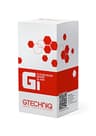
Gtechniq G1 ClearVision Smart Glass (15 ml)

Gtechniq G1 ClearVision Smart Glass (15 ml)

The only product here that is sold on years rather than months: Gtechniq states up to two years or 30,000 miles on a windshield, from a coating that chemically bonds to the glass instead of sitting on top of it. It is the most expensive bottle on the page by a wide margin and the fussiest to apply — three coats on the windshield, a timed cure, and no wipers for two hours afterwards.

Longest lasting
$65.95 · View on Amazon

Price as of October 5, 2026. #ad How we’re funded

3
Rain-X Original Glass Treatment (800002243, 7 oz)

Rain-X Original Glass Treatment (800002243, 7 oz)

The benchmark everything else in this category is priced against, and still the cheapest way to find out whether a repellent windshield changes how you drive in rain. Rain-X publishes a clear method — wipe on with a dry cloth in a circular motion, let it haze, reapply for uniform coverage, buff off — and an application floor of 40 degrees F. What it does not publish is how long a coat lasts.

Best cheap starting point
$8.79 · View on Amazon

Price as of October 5, 2026. #ad How we’re funded

4
Griot's Garage Ceramic Glass Coating Kit (10867)

Griot's Garage Ceramic Glass Coating Kit (10867)

The kit option: an SiO2 glass coating boxed with the applicator pad and microfiber towels you need to lay it down properly, which is the step most people skip and then blame the product for. Griot's calls it "our longest-lasting glass protectant" and claims it repels dust, dirt and pollen as well as water. It is also the pick whose maker page publishes the least hard detail.

Best kit for a first coating
$32.98 · View on Amazon

Price as of October 5, 2026. #ad How we’re funded

5
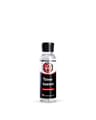
Chemical Guys HydroView Ceramic Glass Cleaner & Coating (CLD30116, 16 oz)

Chemical Guys HydroView Ceramic Glass Cleaner & Coating (CLD30116, 16 oz)

The pick for people who will not do a separate coating step. Chemical Guys sells HydroView as a glass cleaner with SiO2 protection folded into it, so the bottle that lives in your door pocket for bug splatter is also the one leaving a hydrophobic film behind. Convenience is the whole argument — the trade is that a product designed to be wiped off cannot build the durability of one designed to cure.

Best clean-and-protect in one
$22.97 · View on Amazon

Price as of October 5, 2026. #ad How we’re funded

The picks in full

#1Best overall value

Adam's Polishes Glass Sealant (4 oz)

The value pick, because it is the cheapest bottle here that actually states a number: Adam's publishes four to six months of protection, and says one 4 oz bottle holds enough to do all the glass on all your cars. The chemistry is stated too — active silicone fluids and silanes — and the maker's claim is that water rolls away past 30 mph, which is the practical test of whether a coat is still working.

Strengths

  • A published 4-6 month durability figure at roughly a sixth the price of the longest-lasting pick here
  • A 4 oz pour-top bottle that Adam's says covers all the glass on all your cars — the lowest cost per windshield on this page
  • Maker states water rolls away past 30 mph, giving you a concrete way to judge when the coat has worn off

Trade-offs

  • Adam's tells you to clay and properly clean the glass first, which turns a five-minute job into a half-hour one if the glass has bonded contamination
  • No published cure time, so there is no maker guidance on how long to keep the wipers off after application
  • A pour-top concentrate on an applicator is messier and easier to over-apply than a trigger spray

Who should skip it. Skip it if you will not do the prep. Every silicone or silica glass treatment bonds to clean glass only, and Adam's says so on the product page — applied over a film of road grime it will streak and fail early, and the $8 Rain-X would have served you better.

Stated durability4-6 months (per maker)
Size4 oz pour top
ChemistryActive silicone fluids and silanes (per maker)
ApplicationAfter clay bar prep and proper glass cleaning (per maker)
CoverageAll the glass on all your cars, per bottle (per maker)
Beading claimWater rolls away past 30 mph (per maker)
SurfacesExterior automotive glass, mirrors, shower doors, home windows (per maker)
Cure timeNot published

Specs read from the product listing, on October 4, 2026. “Not published” means the maker doesn’t state that figure.

#2Longest lasting

Gtechniq G1 ClearVision Smart Glass (15 ml)

The only product here that is sold on years rather than months: Gtechniq states up to two years or 30,000 miles on a windshield, from a coating that chemically bonds to the glass instead of sitting on top of it. It is the most expensive bottle on the page by a wide margin and the fussiest to apply — three coats on the windshield, a timed cure, and no wipers for two hours afterwards.

Strengths

  • Up to 2 years or 30,000 miles on a windshield (per maker) — an order of magnitude beyond the wipe-on treatments here
  • Bonds chemically to the glass rather than sitting on the surface, which is why it survives wiper blades that strip silicone coats in weeks
  • 15 ml sounds tiny but covers a full set of windows, because it is applied in thin bonded layers rather than wiped on thickly

Trade-offs

  • Three coats on the windshield, one on the side and rear glass, with a timed cure between — 15 minutes above 15C, 30 minutes below — so this is an afternoon, not a five-minute job
  • No wipers for at least two hours after application, and it must not be applied in direct sunlight or below 5C
  • By far the highest price here, and a botched application on a windshield is a lot more annoying to strip off than a botched wipe-on

Who should skip it. Skip it if your glass has not been decontaminated and polished. A bonding coating magnifies whatever is underneath it, so applied over wiper haze or bonded fallout you will lock the defects in for two years. Use a wipe-on treatment until you are ready to do the prep properly.

Stated durabilityUp to 2 years / 30,000 miles on a windshield (per maker)
Size15 ml
ChemistryChemically bonding glass coating (per maker)
Application3 coats on the windshield, 1 coat on side and rear glass (per maker)
Cure time15 min above 15C; 30 min below 15C; no wipers for at least 2 hours (per maker)
ConditionsAbove 5C, not in direct sunlight (per maker)
SurfacesAutomotive glass (per maker)

Specs read from the product listing, on October 4, 2026. “Not published” means the maker doesn’t state that figure.

#3Best cheap starting point

Rain-X Original Glass Treatment (800002243, 7 oz)

The benchmark everything else in this category is priced against, and still the cheapest way to find out whether a repellent windshield changes how you drive in rain. Rain-X publishes a clear method — wipe on with a dry cloth in a circular motion, let it haze, reapply for uniform coverage, buff off — and an application floor of 40 degrees F. What it does not publish is how long a coat lasts.

Strengths

  • Costs less than a bottle of car shampoo and treats a windshield many times over from 7 oz
  • Maker-published method and a stated 40 degrees F application floor, which is more than several pricier bottles give you
  • Sold in practically every auto parts store, so a re-coat is never a shipping wait

Trade-offs

  • Rain-X publishes no durability figure and no re-application interval — the one number that matters in this category is missing
  • Wipe-on, haze, buff-off is a two-pass job by hand; the spray-and-wipe products here are faster
  • The label carries a California Proposition 65 warning for naphthalene, so gloves and ventilation are sensible

Who should skip it. Skip it if re-coating two or three times a year is the thing you are trying to avoid. The silicone-based treatments below state four to six months and the Gtechniq states years; this one states nothing, and in practice it is the shortest-lived option here.

Stated durabilityNot published
Size7 oz
FormWipe-on liquid
ApplicationApply to a folded dry cloth, wipe on in a firm circular overlapping motion, let haze, reapply, buff off (per maker)
Minimum temperatureAbove 40 degrees F (per maker)
SurfacesExterior automotive glass (per maker)
Cure timeNot published
WarningsCalifornia Prop 65 — naphthalene (per maker)

Specs read from the product listing, on October 4, 2026. “Not published” means the maker doesn’t state that figure.

#4Best kit for a first coating

Griot's Garage Ceramic Glass Coating Kit (10867)

The kit option: an SiO2 glass coating boxed with the applicator pad and microfiber towels you need to lay it down properly, which is the step most people skip and then blame the product for. Griot's calls it "our longest-lasting glass protectant" and claims it repels dust, dirt and pollen as well as water. It is also the pick whose maker page publishes the least hard detail.

Strengths

  • Ships with the applicator pad and microfiber towels, so there is no second order and no improvising with a shop rag
  • SiO2 chemistry, which is the same family as the ceramic sprays used on paint rather than a short-lived silicone wipe-on
  • Griot's claims it repels dust, dirt and pollen as well as water, so the glass stays visibly cleaner between washes

Trade-offs

  • "Our longest-lasting glass protectant" is a relative claim, not a number — Griot's publishes no months figure, unlike Adam's and Gtechniq
  • No published cure time or wiper-delay guidance on the product page
  • A kit costs more than a bottle, and if you already own applicators and plush towels you are paying twice for them

Who should skip it. Skip it if you want to compare durability claims before you buy. Griot's will not give you a months figure, so there is no honest way to put this next to Adam's 4-6 months or Gtechniq's years — if the comparison matters to you, buy one of those.

Stated durability"Our longest-lasting glass protectant" — no figure published
ChemistrySiO2-powered glass coating (per maker)
Kit contentsCoating, applicator pad, microfiber towels (per listing)
ClaimsInstantly repels water; repels dust, dirt and pollen; streak-free finish (per maker)
SurfacesAutomotive glass (per maker)
Bottle sizeNot published
Cure timeNot published
Application stepsNot published

Specs read from the product listing, on October 4, 2026. “Not published” means the maker doesn’t state that figure.

#5Best clean-and-protect in one

Chemical Guys HydroView Ceramic Glass Cleaner & Coating (CLD30116, 16 oz)

The pick for people who will not do a separate coating step. Chemical Guys sells HydroView as a glass cleaner with SiO2 protection folded into it, so the bottle that lives in your door pocket for bug splatter is also the one leaving a hydrophobic film behind. Convenience is the whole argument — the trade is that a product designed to be wiped off cannot build the durability of one designed to cure.

Strengths

  • One 16 oz trigger bottle does the cleaning and the protecting, so the coating happens whether or not you felt like coating anything
  • Chemical Guys states it cleans and protects "with no streaking in just seconds" and reduces fogging as well as beading water
  • Rated by the maker for windshields, auto glass, shower doors and home glass, so it earns its space on the shelf

Trade-offs

  • Chemical Guys publishes no durability figure for the SiO2 layer — expect it to be measured in washes, not the months Adam's claims or the years Gtechniq claims
  • It is a cleaner first: the protection is a by-product of a product you wipe off, not a coating you let cure
  • Direct-to-glass application is only advised in shade; in sun you have to spray the towel instead, which uses more product

Who should skip it. Skip it if beading through a whole winter is the goal. A wipe-off cleaner cannot do what a cured coating does, and if you want to treat the glass once in October and still have it beading in March, the Adam's or the Gtechniq is the honest answer.

Stated durabilityNot published
Size16 oz trigger spray
ChemistryGlass cleaner with SiO2 ceramic protection (per maker)
Application1-3 sprays onto a microfiber towel in sun, or direct to glass in shade; wipe, then buff with a clean side (per maker)
ClaimsNo streaking, tight water beading, reduced fogging (per maker)
SurfacesWindshields, auto glass, shower doors, home and office glass (per maker)
Cure timeNot published

Specs read from the product listing, on October 4, 2026. “Not published” means the maker doesn’t state that figure.

How to choose a windshield water repellent

There are really only three kinds of product on this shelf, they last for very different lengths of time, and they demand very different amounts of effort. Match the type to how often you are willing to redo it and the decision makes itself.

1. Wipe-on, silicone sealant, or bonded coating?

Wipe-on treatments like the original Rain-X are the oldest and cheapest form. You wipe them on with a dry cloth, let them haze, and buff off. They work immediately and they cost less than a bottle of shampoo. Rain-X publishes no durability figure for the original treatment at all, and in practice wiper blades scrub this kind of coat off the swept area first.

Silicone and silane sealants like the Adam’s sit in the middle. Adam’s is explicit about both the chemistry — “formulated using active silicone fluids and xylanes” — and the lifespan: it “Protects your exterior glass for 4-6 months”. You pay a little more and you redo it twice a year instead of monthly.

Bonded SiO2 coatings like the Gtechniq G1 and the Griot’s kit are the top end. They do not sit on the glass; they bond into it, which is why Gtechniq claims up to two years or 30,000 miles on a windshield. The price is effort: three coats on the windshield, a timed cure, and no wipers for at least two hours.

What you wantType to buyPick
To try this once, cheaply, before committing to anythingWipe-on treatmentRain-X Original Glass Treatment
Months of beading for a few dollars, redone twice a yearSilicone / silane sealantAdam’s Glass Sealant
To coat it once and genuinely forget about itBonded SiO2 coatingGtechniq G1 ClearVision
A first ceramic coating with the applicators in the boxSiO2 coating kitGriot’s Ceramic Glass Coating Kit
Protection that happens without a separate step on wash dayCleaner with SiO2 in itChemical Guys HydroView

2. Prep decides the result more than the product does

This is the part that gets skipped and then blamed on the bottle. Glass looks smooth and is not. It collects the same bonded fallout, tree sap and road film your paint does, plus a layer of wiper-rubber residue and, on an older car, a haze of mineral etching from years of sprinkler water.

Adam’s says so directly: use its sealant “after proper preparation and surface cleaning with a clay bar and appropriate glass cleaning practices”. That is the same mechanical decontamination step the paint gets, and a clay bar or clay mitt glides over glass easily with plenty of lubricant. Any repellent applied over a film of road grime bonds to the grime, not the glass, and fails in weeks. If you only take one thing from this page: spend the twenty minutes on prep, then buy whichever bottle fits your budget.

3. The wiper problem

Nothing kills a glass coating faster than a wiper blade dragging across it thousands of times. This is why the swept arc of a windshield always loses its beading long before the corners and the side glass do, and why durability claims that sound generous rarely feel generous on the driver’s side.

Two practical consequences. First, worn or torn blades act like sandpaper — replace them before you coat, not after. Second, the whole point of a good coating is that above about 30 mph you do not need the wipers at all, so using them out of habit on a treated screen is actively spending the coating you just paid for. Gtechniq also asks for no wiper use for at least two hours after application, which is a real constraint if you are coating a daily driver on a rainy afternoon.

4. Side glass and mirrors are the easy win

Every pick here is rated for all your exterior glass, not just the windshield, and the side windows and mirrors are where a coating lasts longest because no blade ever touches them. Treated door glass means you can actually see into the mirror in rain, and treated mirrors stay clear at a stoplight. Gtechniq even differentiates the dose — three coats on the windshield, one on side and rear glass — because the wear is so different.

5. What these products do not do

  • They do not clean the inside of the glass. Interior haze from off-gassing plastics is a separate job, and none of these are intended for the inside face of a windshield.
  • They do not fix wiper judder. Some owners find a freshly treated screen chatters more until the coating settles; worn blades make this worse.
  • They do not repair etching. Mineral damage from hard water is removed mechanically with a glass polish, not sealed over. The same distinction applies to paint, and it is covered in how to remove water spots.
  • They are not a paint product. Glass chemistry and paint chemistry are different; for the clear coat see ceramic sprays.

A note on Aquapel

Aquapel comes up constantly in this conversation and is not a pick here for one honest reason: at the time of writing, the single-applicator listings we checked on Amazon did not return a purchasable in-stock offer, and the listing that did was a twelve-pack — a quantity that makes no sense for one car. It is a well-regarded treatment and if you find a single applicator at a sensible price locally it is a reasonable buy. We do not feature products we cannot confirm you can actually buy today, so it stays off the list rather than going on it with an asterisk.

How to apply a glass repellent properly

The method below is the common ground across all five makers’ published instructions. Always follow the specific bottle, because the cure rules differ.

  1. Wash the car first. Not just the glass — you do not want dirty water running down a freshly coated screen from the roof. The safe-wash method applies.
  2. Decontaminate the glass. Clay bar with plenty of lubricant until it glides, then dry.
  3. Clean it to bare glass. A dedicated glass cleaner, or the Chemical Guys HydroView if that is your product, until there is no film left.
  4. Work in the shade, on cool glass. Rain-X publishes a floor of 40°F; Gtechniq asks for above 5°C and out of direct sun.
  5. Apply thin, apply evenly, apply twice if told to. Rain-X asks for a second pass for uniform coverage; Gtechniq asks for three coats on the windshield.
  6. Respect the cure. Gtechniq specifies 15 minutes above 15°C or 30 minutes below, and no wipers for at least two hours. Buff off any haze before it hardens.

Which one should you buy?

For most drivers, the Adam’s Glass Sealant. It is the cheapest bottle here that commits to a number — 4 to 6 months — it states its chemistry, and 4 oz is enough to do the glass on every car you own. Twice a year is a realistic maintenance rhythm, and you can fold it into the same session as a wax or a coating top-up.

If you would rather do it once properly, the Gtechniq G1 ClearVision is the only product here sold in years rather than months, and the only one that bonds into the glass instead of sitting on it. Budget an afternoon, do the prep, and keep the wipers off for two hours afterwards. If you have never done this before and do not own applicators and plush towels, the Griot’s Ceramic Glass Coating Kit puts everything in one box — with the honest caveat that Griot’s publishes no durability figure to compare against.

If you just want to find out whether a beading windshield changes your drive, spend eight dollars on the Rain-X Original Glass Treatment and see. And if you know yourself well enough to know a separate coating step will never happen, the Chemical Guys HydroView is the sensible compromise: the glass cleaner you were going to use anyway, leaving a little SiO2 behind every time.
Frequently asked questions

How long does a windshield water repellent last?

It depends entirely on the type, and the makers' own numbers vary by more than an order of magnitude. Rain-X publishes no durability figure for its original wipe-on treatment. Adam's states 4 to 6 months for its silicone and silane sealant. Gtechniq claims up to 2 years or 30,000 miles for its bonded G1 coating. Griot's calls its SiO2 kit "our longest-lasting glass protectant" without giving a figure, and Chemical Guys publishes none for HydroView. Wiper use shortens all of them in the swept arc.

Does Rain-X damage your windshield or wipers?

Rain-X publishes no warning about damage to glass or blades, and it is sold specifically for exterior automotive glass. Its label does carry a California Proposition 65 warning for naphthalene, so use gloves and good ventilation. The common complaint is wiper judder on a freshly treated screen, which is usually worn blades rather than the product - replace tired blades before you treat the glass, not after.

Do I need to clay bar glass before applying a repellent?

For the sealants and coatings, yes. Adam's says to apply its Glass Sealant "after proper preparation and surface cleaning with a clay bar and appropriate glass cleaning practices." Glass collects the same bonded fallout and road film paint does, plus wiper residue, and a coating applied over that bonds to the contamination instead of the glass and fails early. A clay bar glides over glass easily with plenty of lubricant. For a cheap wipe-on treatment, a thorough glass clean is usually enough.

Can I use a windshield water repellent on side windows and mirrors?

Yes, and it is the best-value part of the job. Every pick here is rated for exterior automotive glass generally, and side glass and mirrors outlast the windshield by a wide margin because no wiper blade ever touches them. Gtechniq even specifies a different dose - three coats on the windshield, one on the side and rear glass - precisely because the wear is so different. Treated mirrors staying clear in rain is the change most people notice first.

Is a ceramic glass coating better than Rain-X?

It lasts far longer, and that is the whole difference. Both make water bead on day one. A wipe-on treatment sits on the surface and gets scrubbed off by wipers; a bonded SiO2 coating chemically attaches to the glass, which is why Gtechniq can claim years rather than weeks. You pay for that in money and in application effort - multiple coats, a timed cure and a wiper embargo. If you do not want to do the prep, the cheap treatment applied more often is the honest choice.

Will a water repellent stop me needing wipers?

Above roughly 30 mph, largely yes - that is the claim Adam's makes, that "water rolls away past 30 mph" and rain "will simply blow off your glass at normal highway driving speeds." Below that speed, in stop-start traffic and at a standstill, you still need the wipers because there is no airflow to clear the beads. The real benefit is highway driving in rain, where the screen stays clear between wipes instead of smearing.

Can I apply a glass repellent in cold weather?

Within limits the makers publish. Rain-X specifies applying "in temperatures above 40 degrees F." Gtechniq asks for above 5 degrees Celsius and not in direct sunlight, and extends its cure from 15 minutes to 30 minutes when conditions are below 15 degrees Celsius. Below those floors the product will not flash off or bond properly and you will get streaking. A heated garage solves it; an October driveway at dusk often does not.

What is the difference between a glass cleaner and a glass coating?

A cleaner removes film and is wiped off; a coating is left behind to cure. Chemical Guys HydroView straddles the two - it is sold as a glass cleaner with SiO2 protection folded in, so you clean and leave a little protection in one pass. That convenience is real, but a product designed to be buffed off cannot build the durability of one designed to bond, which is why Chemical Guys publishes no durability figure for it and Gtechniq publishes years for a dedicated coating.

Sources

  • Rain-X — Original Glass Water Repellent — The maker's method and limits: "Apply in temperatures above 40 degrees F. Apply Rain-X® to a small, folded, dry cloth. Wipe onto exterior glass using a firm, circular and overlapping motion. Allow product to dry; a slight haze may appear. Reapply Rain-X® to ensure complete and uniform coverage. Remove final haze with a dry cloth…"; the product is sold to "repel rain, sleet and snow" on exterior glass, and the label carries a Proposition 65 warning that it "can expose you to chemicals including Naphthalene". No durability figure and no re-application interval are published (accessed October 4, 2026)
  • Adam's Polishes — Glass Sealant — The maker's published claims: it "Protects your exterior glass for 4-6 months"; a "4oz pour top" where "One bottle contains enough of our powerful sealant to treat all the glass on all your cars"; "formulated using active silicone fluids and xylanes"; "rain will simply blow off your glass at normal highway driving speeds" and "water rolls away past 30 mph"; "Use this product after proper preparation and surface cleaning with a clay bar and appropriate glass cleaning practices." No cure time is published (accessed October 4, 2026)
  • Gtechniq G1 ClearVision Smart Glass — product listing — Gtechniq's published application and durability wording as carried on the stocking retailer's listing: the windshield "stays repellent for up to 2 years or 30,000 miles"; apply "three coats of G1 to the windshield, and one coat to the side/rear windows"; "if ambient conditions are below 15 celsius allow the coating to cure for 30 minutes and if above 15 celsius allow to cure for 15 minutes only"; avoid using wipers "for at least 2 hours after application"; apply above 5 degrees Celsius and not in direct sunlight. Cited to the retailer because gtechniq.com returned HTTP 403 on the date accessed (accessed October 4, 2026)
  • Griot's Garage — Ceramic Glass Coating Kit (10867) — The maker calls it "Our longest-lasting glass protectant", an "SiO2-powered glass coating" that "Instantly repels water for drastically improved visibility", "Repels dust, dirt, pollen to keep your glass cleaner, longer" and is "Easy to apply, leaves a crystal clear, streak-free finish". No durability figure in months, no bottle size, no cure time and no application steps are published on the product page (accessed October 4, 2026)
  • Chemical Guys — HydroView Ceramic Glass Cleaner & Coating (CLD30116) — The maker sells it as a two-in-one that mixes "the best parts of glass cleaners with a touch of ceramic SiO2 protection"; it "cleans and protects with crystal clear results and no streaking in just seconds", "causes water to roll up into tight beads", "repels dirt, grime and mud" and "reduces fogging"; the method is "Apply 1-3 sprays of HydroView onto a premium microfiber towel if in direct sunlight or directly onto glass if in a shaded area", wipe, then buff with a clean side. Sold as 16 oz. No durability figure is published (accessed October 4, 2026)

Keep reading