How to choose a bug and tar remover
“Bug and tar remover” is a shelf label, not a formula. Some bottles with that name are solvents, some are alkaline pre-wash sprays, and one of the five here is a car wash shampoo. They do different jobs, they carry different rules, and the wrong one on the wrong surface is how a headlight ends up hazed. Four questions sort it out.
1. Bugs or tar? They are two different problems
Start with what is actually on the car, because the chemistry that works on one is nearly useless on the other.
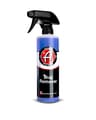
Bug remains are organic. 3D’s own guidance is blunt about it: bugs contain “highly acidic bodily fluids that cannot be removed with a regular, pH-balanced car wash”. As the residue dries it bonds to the clear coat, and the acid keeps working underneath. What breaks it down is a water-based bug remover — typically an alkaline, surfactant-heavy spray that rehydrates and loosens the protein so it rinses away. Adam’s describes its version as water-based and butyl-heavy; 3D calls its version biodegradable. Neither is a solvent, and neither is sold for tar.
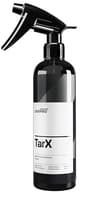
Tar, sap and adhesive are the opposite. They are petroleum or resin, they shrug off water and detergent, and they need a solvent to dissolve. Stoner’s Tarminator is a solvent-based formula; CARPRO’s TarX gets its solvent from orange peel. Solvents work fast, which is why both makers put a hard limit on how long they can sit — and why neither is something you mist over a whole car.
| What is on the paint | What removes it | Pick |
|---|
| Bug splatter on bumper, hood, mirrors and windshield — acidic protein that bonds as it dries | Water-based pre-wash, rinsed before it dries | Adam’s Bug Remover; 3D Bug Remover on PPF |
| Black specks on rocker panels and behind the wheels — road tar and asphalt | Solvent, wiped within the maker’s time limit | Stoner Tarminator; CARPRO TarX for whole panels |
| Clear or amber drips that will not wash off — tree sap | Solvent, applied to a towel for a small spot | Stoner Tarminator |
| Both, on a car that gets washed every week or two — routine summer contamination | A bug-and-tar concentrate in the wash bucket | Chemical Guys Bug & Tar Remover Car Wash |
| Orange speckling, gritty paint after washing — embedded iron, not bugs or tar | An iron remover, then clay | Not this page |
That last row matters. Bug and tar removers are one part of a decontamination wash, not the whole thing. Iron sits in the clear coat and needs a reactive iron remover; bonded grit that survives everything else is clay bar work. If a panel still feels rough after bugs and tar are gone, that is the next step, not more solvent.
2. Speed matters more than strength
This is the criterion people underrate. The damage bugs do is a function of time and heat, not of how many there are. Jimbo’s Detailing puts it at “as little as 1–3 hours” for bug residue to begin etching clear coat in hot weather, and notes that overnight exposure “is often enough to cause visible damage”. Shine Supply’s wording is that bug guts “are not a cosmetic issue” — every day they sit, they eat further into the clear coat.
Sap and tar are slower but not harmless. Stoner points out that as sap shrinks it “causes stress and tension on your car’s surface”, which is why an old sap drip sometimes leaves a mark behind after it is finally dissolved. Tar mostly just stays, gets driven over by your mitt every wash, and collects grit.
The practical consequence: the best bug remover is the one that is in the car when you stop for fuel after a night drive. A ten-ounce aerosol or a small trigger bottle in the trunk, used on the bumper the same evening, prevents more etching than any premium bottle used a week later. The Stoner and the Adam’s both fit that brief. If you are already dealing with etched outlines where bugs used to be, that is no longer a cleaning problem — see removing water spots and etching and, if it goes deeper, the swirl remover roundup.
3. Read the dwell rule, then obey it
Every one of these products carries a time limit, and the limits are not interchangeable. The difference between a product that is safe and one that marks paint is usually whether it was allowed to dry.
| Product | Type | Maker’s dwell | Then |
|---|
| Stoner Tarminator | Solvent aerosol | 30–60 seconds; never over 1 minute without rinsing | Wipe with a soft cloth, rinse with water |
| CARPRO TarX | Citrus solvent spray | Up to 2 minutes; 30 seconds on PPF | Wipe off residue, wash to neutralize |
| Adam’s Bug Remover | Water-based spray | Not published; never allow to dry | Wash and rinse |
| 3D Bug Remover | Water-based spray | 30–45 seconds; 2–3 minutes in cool weather | Wipe with microfiber, or rinse as a pre-soak |
| Chemical Guys Bug & Tar Car Wash | Concentrate (bucket or 6:1 spray) | 30–60 seconds as a pre-soak (maker how-to) | Wash with a mitt in straight lines, rinse |
Two rules sit underneath all of them. Cool panel, out of the sun. Adam’s says cool surface only; CARPRO says no direct sun and no hot surface; Chemical Guys says not to leave the active product on the car in direct sunlight. A hot hood flashes the water out of a spray in seconds and leaves the concentrated remainder sitting on the paint, which is the scenario every maker is warning about. If it is summer, the hot-weather washing rules apply here twice over. And never let it dry. Shine Supply notes that a dried bug remover “can leave its own residue that is harder to remove than the bugs”.
4. Know what it does to the protection underneath
Most of these products are honest about this if you read far enough down the page, and it changes what you buy. Solvents affect wax and sealant. CARPRO’s statement is the clearest: TarX “will most likely affect some of the properties” of sealants and waxes, which “will need to be reapplied after neutralizing the TarX”. Stoner publishes no compatibility statement for Tarminator, which is not the same as a promise — treat a solvent-cleaned spot as bare paint. Alkaline bug removers degrade protection too. Adam’s says its Bug Remover “will remove bug and degrade your current non-ceramic protection” without fully stripping it, and recommends re-applying afterward.
Ceramic coatings hold up better, which is one of the practical arguments for having one on a car that lives on the highway. Chemical Guys states its Bug & Tar wash is safe for ceramic-coated vehicles, and Jimbo’s notes that coatings slow etching by keeping acids off the clear coat but “don’t make your car immune”. The maintenance rules in maintaining a ceramic coating still apply: cool panel, short dwell, thorough rinse.
Paint protection film is its own case.3D is the only maker in this roundup that names PPF as a safe surface on its product page. CARPRO allows TarX on PPF but cuts the dwell to 30 seconds. Stoner rules Tarminator out for clear plastics, and while film is not the headlight lens Stoner is describing, the caution is the same family — if the nose of your car is wrapped, use the 3D for bugs and test any solvent on an inconspicuous edge first.
Solvent or water-based: which one bottle to own
If you only buy one, buy the one for the contamination a shampoo cannot touch at all. Fresh bug splatter, caught the same day, will often lift with a foam cannon pre-wash and a proper soak — it is the baked-on, days-old remains that a pH-neutral shampoo cannot touch. Tar never lifts with soap, fresh or old. So the single-bottle answer for most drivers is a small solvent tar remover, kept in the car, and the bug problem gets handled by washing sooner.
If you drive a lot of night highway in summer — or live where lovebugs are a season — reverse that. The front of the car is the panel that etches, and a water-based bug remover you can spray over the whole nose without worrying about headlights and trim is the tool that saves the paint. Add the solvent for the rockers when you notice the specks.
And if your car gets washed every week or two anyway, the concentrate is the efficient answer: two ounces of the Chemical Guys wash in the bucket makes every summer wash a bug-and-tar wash, and the 6:1 spray bottle covers the odd stubborn spot. It is the least glamorous pick here and the one that will be used most.
How to use one without scratching the paint
The remover is the easy part. The scratches happen in the wiping, which is why the method matters more than the brand.
- Rinse first. Knock the loose dust off the panel with a hose or pressure washer so the towel is not dragging grit across the paint along with the bugs. Stoner’s sap guide starts here too.
- Work in shade on a cool panel. Every maker here says so in one form or another. Early morning or evening in summer.
- Apply the right way for the product. Bug removers get sprayed generously over the whole affected area. Solvents get sprayed on the spot — or, for a single sap drip or a decal edge, onto a folded microfiber towel and pressed against the mark, which keeps the solvent off the trim around it.
- Wait the maker’s time and not a second more. Set a phone timer for a solvent. Watch the surface for a water-based product and re-mist if it starts to dry.
- Wipe in straight lines with no pressure. A plush microfiber towel, folded, turned to a clean face often. Jimbo’s is explicit that scrubbing dry, bug mesh sponges and heavy pressure can “lock scratches into already softened paint” — the mesh bug sponge sold next to these products is the one accessory to leave on the shelf.
- Rinse thoroughly, then wash the car. Solvents in particular need neutralizing, and a two-bucket wash is the normal way to do it. Pre-treating bugs and tar and then washing is the order; washing first and spot-treating after leaves solvent residue on clean paint.
- Re-protect the spot. A solvent-cleaned area is bare. A ceramic spray goes on in a minute; a wax works if that is what the rest of the car wears.
What a bug and tar remover will not do
- It will not fix etching. Once the acid has marked the clear coat, the outline stays after the residue is gone. That is a polishing job; start gently with the least aggressive swirl remover.
- It will not remove iron or bonded grit. Gritty paint after a wash is embedded contamination, which is iron remover and clay bar territory.
- It will not replace washing. Every maker here describes a pre-treatment followed by a wash, not a wipe-and-walk-away. On a dusty car, wiping a spot dry is a scratch. If you cannot wash, a waterless wash with plenty of product and fresh towels is the safer stopgap.
- It is not a headlight or trim cleaner. Stoner and CARPRO both rule their solvents out for clear or sensitive plastics. The water-based bug removers are the ones rated for glass, plastic bumpers and grilles.
Stop it building up in the first place
Two habits make this whole category a smaller part of your life. The first is washing on a schedule that matches the season rather than the calendar — how often to wash your car covers why bug season and salt season both shorten the interval. The second is keeping protection on the paint. Stoner’s own sap guide says a sealant or wax will protect the exterior and help in future sap removal, and a protected nose releases bugs with a soak that would need scrubbing on bare clear coat. Whether that is a wax, a sealant or a ceramic spray is laid out in wax vs sealant vs ceramic. None of it makes the paint immune — it buys you time, which is the whole game with bugs.
Which one should you buy?
For most drivers, the Stoner Tarminator. It handles tar, sap and adhesive — the contamination nothing else in your wash kit can shift — for very little money, it lives in the trunk, and its maker is clear about the one-minute limit and the surfaces to avoid. Pair it with a sooner wash for bugs and you have the category covered.
If bugs are the problem, the Adam’s Bug Remover is the water-based pre-wash to spray over the whole front end, with the honest caveat that it will degrade wax or sealant where it lands. If the nose of the car is wrapped in PPF, the 3D Bug Remover is the one whose maker says so on the product page. If you are decontaminating whole panels of tar on a car that has gone a season without it, the CARPRO TarX earns its price with a two-minute dwell and a trigger sprayer, and plan on re-applying protection afterward. And if you wash every week or two and want the problem handled without a separate step, the Chemical Guys Bug & Tar Remover Car Wash in the bucket is the pick that gets used.